SPONSORS

Thursday, 31 May 2012

Google Now Treats 404 & 410 Status Codes The Same

Google 404 SimpsonBack in the day, there was a difference between how Google responded to a 404 vs a 410 server header response code. 410s were faster and more permanent.

It seems as if that may have recently changed.

A Google Webmaster Help thread has Googler John Mueller giving us an update on the differences, or lack there of, between the 404 and 410.

He said, "even back when we differentiated between the two, the practical difference was just a very short time-difference, the overall process was the same."

To be honest, it isn't 100% clear if Google stopped differentiating between the two but it seems they have.

Why have they? I assume because most sites probably don't bother 410ing and just 404, at best.

Forum discussion at Google Webmaster Help.

Update: John Mueller got back to me to say he was wrong about this, he told me:

It's good to double-check these things, and it appears I was wrong there -- we do treat 410s slightly differently than 404s. In particular, we'll sometimes want to confirm a 404 before removing a URL from the index, and we tend to do that faster with a 410 HTTP result code. In practice, the difference is very small, and it's not critical to use a 410 if a URL is permanently removed. If you want to speed up the removal (and don't want to use a noindex meta tag or the urgent URL removal tools), then a 410 might have a small time-advantage over a 404.

internet search engine optimisation internet search engine optimization

How Restaurants Can Take Advantage of Social Media

In the era of online marketing, it appears that restaurants are the slowest establishments that embrace social media marketing. This could be attributed to the fact that they want to protect their secret recipes or they’re just reluctant to see what people are saying about their brand. Regardless, Rev Media Marketing reported that new breed of restaurateurs are beginning to incorporate social media marketing to their campaigns.

Bringing the Right Message

Delivering what their customers want is one way for restaurants to use social media. Owner of Let’s YO Yogurt Eric Casaburi shared:

“The customer for Let’s YO yogurt is just a huge demographic and the way we communicate with them … we’re just going to market so many different ways, talking to people who we know are customers because we’ve identified them. We know how to speak to them — that’s key. We have the message in the right place.”

In fact, Pew Research Center recently released a study stating that 55 percent of adults search for restaurant, bar and club information online. Majority of the respondents uses the Internet to search for that information, and 3 percent of them are using social networking sites. Therefore, restaurant owners must strategically use the power of social media for their benefit other than expanding their fans or followers.

Using the Power of Social Media

Other than amassing a number of followers, there are different strategies that restaurant owners can use social media to promote their brand. Below are simple tips on how restaurateurs can use social media to their advantage.

  1. Reach out to customers who share positive feedback about your brand, and make their messages a part of your restaurant’s marketing campaign.
  2. Make your customers feel a part of your brand’s success by giving them the first glimpse of what’s new from the kitchen. To make the experience even better, invite them for free tasting.
  3. You can also allow your followers to promote your business page by having a “fan of the week” contest. Have them take a picture of themselves with their favorite product from your restaurant, and let their friends vote for the picture. Whoever gets the most number of votes will get a free or discounted product from your establishment.

Food industry using the social media is good news for marketers, as restaurants are starting to take advantage of this platform to make their customers’ experience the taste of their brand. As for restaurant owners, they’ve found a new and creative way of engaging their consumers.

ecommerce search engine optimisation ecommerce search engine optimization

Google Now Treats 404 & 410 Status Codes The Same

Google 404 SimpsonBack in the day, there was a difference between how Google responded to a 404 vs a 410 server header response code. 410s were faster and more permanent.

It seems as if that may have recently changed.

A Google Webmaster Help thread has Googler John Mueller giving us an update on the differences, or lack there of, between the 404 and 410.

He said, "even back when we differentiated between the two, the practical difference was just a very short time-difference, the overall process was the same."

To be honest, it isn't 100% clear if Google stopped differentiating between the two but it seems they have.

Why have they? I assume because most sites probably don't bother 410ing and just 404, at best.

Forum discussion at Google Webmaster Help.

create a search engine ecommerce search engine optimisation

Integrating Google+ to Your WordPress Website

Since its public release last year, Google+ definitely made a buzz, and a basket full of improvements were rolled out for the benefit of its users. But whether it’ll be a “Facebook killer” or not remains to be seen.

On the other hand, its ever-expanding user base and simple sharing tools makes the young social network something that you won’t ignore. And what’s the best way to use its features to the full extent than to integrate it on your website?

Add the +1 Button

Clicking the +1 button enables your site visitors to search, share and save their favorite content on the Web. Using Google’s official +1 button code generator, it’ll only take a minute to add the button to your website, and for your content to be integrated with any Google profile. Simply put, the +1 button is an additional avenue for promoting and sharing your web content.

Embed Your Google+ Profile

A WordPress widget created by PlusDevs Software Developer John Henson lets you display your Google+ profile on your website or blog. You can set the widget up by just simply installing the plug-in to your website, dragging the widget to your sidebar and filling in a form. An embeddable Google+ Profile widget is also available on SocialStatistics.com, or you can incorporate your profile with a few PHP code lines.

Share Your Google+ Updates

Designed to share real life activities with your friends, Google+ lets you embed your status updates on your WordPress website. Just simply download the Google+ WordPress widget, insert your Google+ ID and you’re good to go. The sidebar widget will show your recent status updates, including your Google Buzz.

Use Google+ Inspired Theme

Whether you are a fan of Google+’s clean and unobtrusive layout or you own a blog that deals with the search engine giant’s social media, then you might like to use WordPress’ Google+ themes for your website. There’s a clean, fast-loading and search engine optimized theme like the WP Plus; a clean and well-designed theme like PlusOne; and a smooth and seamless Reflex+ design.

Google+ may no longer be considered as a young social media, but it still has plenty of rooms for improvement when it comes to user features. Its progress could also provide a wide array of options for publishers, and this could also be another social networking platform where business owners could build and expand their online presence.

high search engine ranking optimization high search engine rankings

Weekly Webinars and Upcoming Events 5/30/2012

I know you’re probably thinking this as well. . . It’s June already! Really! Where does time go? While making some fun plans for summer, schedule in some of these webinars and conferences as well. Enjoy!

Engage Your Fans with Quality Content – LIVE

May 30th, 1 pm est
Presenter: Hub Spot, part of their Facebook Webinar Series
Cost: Free
Description: The Facebook Newsfeed is dynamic: on average, only 16% of users see the updates you post on your Page. Learn what content to post, how frequently to post, and how to boost the distribution of those posts by sponsoring them.
Register

The Science of Email Marketing

June 13th, 1 pm est
Presenter: Hubspot
Cost: Free
Description: Email marketing is the standard by which all other online marketing is measured. But email marketing has changed. It’s no longer good enough to blast your list with newsletters, your sending tactics and strategies have to evolve.
Register

Powerful, Low Cost Content Ideas to Grow Your Business-FAST!

June 14th, 2 pm est
Presenter: Vertical Measures
Cost: Free
Description: Today’s Internet Marketing Strategy should enhance and support your business’ overall marketing objectives, including generating more leads and business from your targeted web audience. Creating compelling content that drives a website visitor to act is critical to your business. In addition to standard web pages describing products and services, leading businesses know that one of the best marketing tools is providing your web visitors with engaging and timely content.
Register

Upcoming Industry Conferences:
SMX Advanced Seattle
June 5th,6th
Seattle, WA
More Info

BlogWorld Expo
June 5th- 7th
New York, NY
More Info

Conversion Conference – Chicago
June 25th- 26th
Chicago, IL
More Info

Affiliate Summit – East
Aug 12th-14th
New York, NY
More Info

search engine marketing agency uk search engine marketing and optimization

Google Remarketing Tags On Multiple Web Sites

Google Display NetworkSearchengineman, a PPC specialist, asked in a Google AdWords Help thread if it is possible to place the same remarketing tags on multiple websites. The answer is yes.

Remarketing is part of Google's display network, allowing advertisers to show display as to users based on web sites they've visited. You can learn more about Google's remarketing over here.

The question was can a site who has 50 or so affiliates enable those affiliates to add their remarketing tag code to their sites. Google said it is allowed. The response from a Google remarketing engineer was:

We generally don't regulate where the remarketing code goes, since the very fact of you being able to install the code on a site suggests that you are the owner of or at least affiliated with the website in question. So the next steps for you would be to create an account for your central corporate campaign and then create an audience list, and then ask all your franchisees to put that generated code on each of their sites. Visitors to all of these sites will then be added to the same audience list. Then you can set up a remarketing campaign in this new account to target the list, and ads will begin to show one you hit the requisite 100 users.

Hope this helps others.

Forum discussion at Google AdWords Help.

search engine marketing uk search engine optimisation agencies

Wednesday, 30 May 2012

Are Facebook Pages Getting Less Traffic From Google & Bing?

This January Google launched “Search Plus Your World (SPYW),” a service that drastically customized search results based on social connections while bolstering visibility of Google+ products. While the new changes absolutely increased visibility for Google+, there was concern that SPYW would negatively affect other social networks.  Five months into the SPYW, traffic to Facebook Pages is down. However, it’s also down from Bing, suggesting that SPYW isn’t to blame.

PageLever, a Facebook analytics company, uncovered a significant drop in traffic post SPYW launch. The company studied 500 fan pages with a minimum of 10,000 fans, looking at external referrals from Bing and Google. Internal Facebook referrals and searches did not play a factor in the data.  The overall results show that Google traffic to Facebook pages has dropped 51%:

Before the Search Plus Your World launch, Google drove 9.25% of the external traffic to Facebook pages. After the SPYW launch, that percentage of Google referrals was down to just 4.52%.

Surprisingly, the numbers were down on Bing as well, dropping 59% year over year. For Bing to also drop suggests there’s some issue with Facebook getting traffic in general from the major search engines, not that SPYW is to blame.

NOTE: Previously we’d headlined this story “Google Sending 51% Less Traffic To Facebook Pages Since “Search Plus Your World” Launch; Bing Drops, Too” but looking further at the data, and after some follow-up with PageLever, the Bing drop makes the SPYW connection seem less likely. So, we’ve changed our headline and qualified the lead further.

The takeaway if that Facebook Pages seem to getting less traffic from both Google and Bing, but why exactly is unclear.

A few large unattributed spikes do show on both Bing and Google as well.

Quantcast numbers do show a aggregate drop in Facebook’s overall traffic since January, but does also show a slight peak in late February (near the launch of the official fMC event):

For a full report and statistics, see PageLever.

Related Topics: Google | Google: Search Plus Your World


orange county search engine optimization organic search engine marketing

Google+ Local Replaces Google Places

Google+ LocalGoogle Maps, Google Local, Google Places and now Google+ Local - yep Google has yet again renamed their local results to bring in Google+, as expected.

The new experience ties in Google+ into Google Maps and business listings, plus adds Zagat reviews to the foreground.

As Google announced on their Google+ page:

Today we’re rolling out Google+ Local, a simple way to discover and share local information featuring ZAGAT scores and recommendations from people you trust in Google+.

From the new “Local” icon on the left-hand side of Google+, you can search for specific places or browse for ones that fit your mood. Clicking on any place will take you to a local Google+ page that includes photos, Zagat’s high-quality scores and summaries, reviews from people in your circles and other information like address and opening hours.

Google+ Local is also integrated across the other products you already use every day, including Search, Maps and mobile, so you can get the same great local information wherever you go.

Here are some screen shots showing the level of integration with Google+, circles, and Zagat reviews (note click on any image to enlarge):

click for full size

click for full size

click for full size

click for full size

click for full size

If you have a Google Places result, continue to manage that place result in Google Places at Google Places. Although it seems like that will change over time and more and more features will be tied to the Google+ experience.

Greg Sterling as his review on Search Engine Land.

Forum discussion at Google+ Page.

most effective search engine marketing msn search engine submission

Weekly Webinars and Upcoming Events 5/30/2012

I know you’re probably thinking this as well. . . It’s June already! Really! Where does time go? While making some fun plans for summer, schedule in some of these webinars and conferences as well. Enjoy!

Engage Your Fans with Quality Content – LIVE

May 30th, 1 pm est
Presenter: Hub Spot, part of their Facebook Webinar Series
Cost: Free
Description: The Facebook Newsfeed is dynamic: on average, only 16% of users see the updates you post on your Page. Learn what content to post, how frequently to post, and how to boost the distribution of those posts by sponsoring them.
Register

The Science of Email Marketing

June 13th, 1 pm est
Presenter: Hubspot
Cost: Free
Description: Email marketing is the standard by which all other online marketing is measured. But email marketing has changed. It’s no longer good enough to blast your list with newsletters, your sending tactics and strategies have to evolve.
Register

Powerful, Low Cost Content Ideas to Grow Your Business-FAST!

June 14th, 2 pm est
Presenter: Vertical Measures
Cost: Free
Description: Today’s Internet Marketing Strategy should enhance and support your business’ overall marketing objectives, including generating more leads and business from your targeted web audience. Creating compelling content that drives a website visitor to act is critical to your business. In addition to standard web pages describing products and services, leading businesses know that one of the best marketing tools is providing your web visitors with engaging and timely content.
Register

Upcoming Industry Conferences:
SMX Advanced Seattle
June 5th,6th
Seattle, WA
More Info

BlogWorld Expo
June 5th- 7th
New York, NY
More Info

Conversion Conference – Chicago
June 25th- 26th
Chicago, IL
More Info

Affiliate Summit – East
Aug 12th-14th
New York, NY
More Info

check search engine ranking create a search engine

Google Pruning Rich Snippets In Search Results?

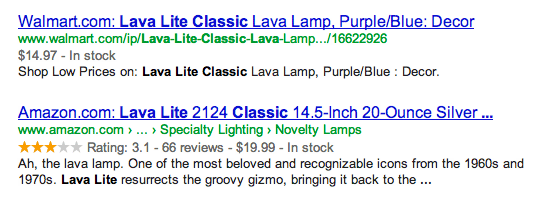
Google Rich Snippets SpamA new WebmasterWorld thread has one webmaster taking notice that Google seems to be displaying fewer and fewer rich snippets in the search results.

Rich Snippets is markup used by Google to show various data elements in text or a graphical nature in the search results on or near the search snippets.

Webmasters have been taking notice of this and at once point, Google has been showing so many rich snippets that the search results for many types of queries have become extremely colorful. This is not a bad thing, the only issue was that webmasters began abusing it by faking and spamming the rich snippets. Google retaliated by creating a rich snippets spam reporting tool.

But as you know, Google doesn't like to take manual action when they can build software to take automated action.

Maybe, I am not sure, Google released a rich snippets spam algorithm over the past week or so that targets showing only "trusted" sources for rich snippets?

Here is a screen shot of Amazon showing the rich snippets but Walmart not showing it.

Amazon vs Walmart Rich Snippet

The Walmart page does have the rich snippet markup on it. But technically the Amazon page does not seem to have it, at least I didn't see it in the HTML and the Google testing tool says it is not there.

So I am not sure what is going on. Is Amazon getting special treatment, is there a bug or is something else going on - like a trusted source thing?

Forum discussion at WebmasterWorld.

search engine optimisation services search engine optimisation company

SearchCap: The Day In Search, May 29, 2012

Below is what happened in search today, as reported on Search Engine Land and from other places across the web.

From Search Engine Land:

  • Google Releases Penguin Update 1.1

    No matter that it’s late Friday night on the start of a three-day holiday weekend in the U.S., Google has just pushed out the first update to its recent webspam-fighting Penguin algorithm. Let’s call it Penguin 1.1. Google’s Matt Cutts announced the news a short time ago on Twitter, calling it a “data refresh” that [...]

  • Microsoft: Yes, We Do Send Takedown Requests To Bing, Too

    Microsoft says it does send copyright-related takedown requests to its own search engine, Bing, in addition to the multitude of requests that it sends to Google. This comes on the heels of yesterday’s news that Microsoft is the number one submitter of copyright-related URL removal requests to Google. It sent more than 500,000 such requests [...]

  • How To Panic-Proof Your Link Campaign

    All too often, I get a fair amount of frantic emails from people who are seeing a dropoff in rankings and/or traffic after the latest algorithmic update and are looking for help or just a second opinion. Sometimes a keyword that has been number 2 for 8 months in a row moves down a spot [...]

  • Is It Possible To Benchmark Country Against Country In Multinational Search Campaigns?

    No. That is to say, no method of comparing country to country statistics fairly and accurately really exists. Thank you for reading this article and I hope you have a good day. Now, don’t tell me you want me to explain that? In the case of global organisations, the performance of businesses, people and campaigns [...]

  • Why Enterprise SEO Shouldn’t Focus Solely On Keywords

    I’ve got a joke for ya: What has 250,000 URLs, a content team of 15 people and three target keywords? Your website. I understand SEO’s keyword obsession. It’s hard to let go, and a nice, high ranking for a really juicy phrase tends to justify budget. But, as I’ve written before, there’s more to justifying [...]

  • iAcquire: We’re Abandoning Paid Links

    Last week, iAcquire found itself accused of purchasing links for clients. Google seemed convinced, banning iAcquire from its index. Now, iAcquire says that it will no longer purchase links for new clients and will phase out paid links for existing customers and campaigns. “In certain cases, we have allowed finanical compensation to develop links, not [...]

  • First Report Of Google Penguin Recovery

    The Google Penguin update first touched down on April 24th and many webmasters that were hit by this update were frantically making changes to their web site in anticipation for a Penguin refresh. That refresh happened late Friday evening and we have one report that appears to be a legit Penguin recovery. An SEOmoz story [...]

  • Google’s New Stance On Negative SEO: “Works Hard To Prevent” It

    Google’s admitted the possibility of “negative SEO” for years. But in the wake of the Penguin Update, some have claimed it’s now easier than ever. Does a new change by Google in its help pages acknowledge this? Google’s admitted the possibility of negative SEO since at least 2007. On its help page, it previously had [...]

  • To: Google Founders, From: Advertisers, RE: AdWords Rotation & Other Flaws Need Fixing

    Last week, my colleague and fellow columnist, Brad Geddes outlined 8 Features Advertisers Really Need from Google AdWords and I couldn’t agree more with the points he brought up. Back in December, I ran a wish list of my own, 7 Things On My Google AdWords Wishlist For Santa and many advertisers jumped in with their [...]

  • Why Restaurants & Other Local Businesses Need Mobile (Not Responsive) Sites

    In his Smashing Magazine response to Jakob Nielsen’s directive to build separate desktop and mobile sites, Bruce Lawson used the line “you never know better than your users what content they want” to argue that we shouldn’t be building separate mobile websites. I would agree with him that you never know better than your users [...]

  • Can Local Businesses Jump On The Pinterest Train?

    It’s the ‘new’ social network everyone is talking about – and if you’re a local business owner, it could be a strong addition to your online marketing strategy. For the past few years, marketers have stressed the need for local businesses to leverage social networks like Facebook and Twitter to drive engagement with existing and [...]

Recent Headlines From Marketing Land, Our Sister Site Dedicated To Internet Marketing:

Search News From Around The Web:

Applications & Portal Features

Business Issues

Local, Maps & Mobile

Link Building

Paid Search & Contextual

Searching

SEM Industry

SEO & SEM

  • Should You be Doing Concept Research Instead of Keyword Research?, SEO By The Sea
  • How Selling Insurance Helped Me Sell SEO Services, SEO Book
  • Is it useful to have a section of my site that re-posts articles from other sites?, YouTube
  • Linkdex New Site Crawler Out of Beta, State of Search
  • Local Citation Building Study Part 1: Niche-Relevant Citation Sources, ngsmarketing.com
  • Most SEOs Negatively Impacted By Google’s Penguin Update, Search Engine Roundtable
  • Penguins, Anchor Text and Headaches: What do we do now?, stateofsearch.com
  • PPC Chat Streamcap – The AdWords UI, The PPC Blog by Matthew Umbro
  • Short Stories About SEO, blindfiveyearold.com
  • The Anatomy of Search Technology: Crawling using Combinators, High Scalability
  • The Google Panda Patent?, SEO By The Sea
  • Uncle Jim’s Guide To Post Panda/Penguin SEO, PPC Associates Blog

Related Topics: SearchCap


Read before commenting! We welcome constructive comments and allow any that meet our common sense criteria. This means being respectful and polite to others. It means providing helpful information that contributes to a story or discussion. It means leaving links only that substantially add further to a discussion. Comments using foul language, being disrespectful to others or otherwise violating what we believe are common sense standards of discussion will be deleted. You can read more about our comments policy here.

search engine marketing solutions search engine marketing specialist

Using Twitter to Generate Business Lead

Although it only allows you to send a 140-character message, Twitter is considered one of the most famous social networking sites across the Web. As of June 2011, the micro-blogging site reported that their users are sending 200 million tweets per day. In addition, it boasts 100 million active users since September of last year. That’s why it’s a no-brainer why business users are also opting to add Twitter to generate leads.

Take Advantage of the Advance Search Option

As an entrepreneur on Twitter, you need to monitor your business’ online reputation. It could be tedious process, but you can save time by using the advance search option. Additionally, it enables you to conduct online searches based on geographical locations. In turn, you can gather real-time data that you can turn into business opportunities near your area.

Build a Network with Your Target Market

Following and interacting with Twitter users from you target market is a great way build a guaranteed consumer base. But you don’t need to follow everyone though. It’s better to have a network of people who are really interested on what your business can offer, rather than following people who don’t interact.

Be Visible in Your Twitter Network

You have to be visible in order to build a network on Twitter. Therefore, you must invest ample time to tweet relevant and useful content to your followers regularly. This can help you establish and strengthen your credibility to your audience, and you’ll have higher chance of being retweeted—which gives you higher chance to grow your network.

Interact with Your Followers

Twitter user posts inquiries on their profile most of the time. If a user posted that he or she is looking for something, it’ll be appreciated if someone relevant responds to his or her post. As a business owner, you must seek this kind of opportunity by conducting a keyword-targeted research, and offering your product or services that can respond to your potential customer’s needs. However, you must avoid sounding like a spammer or scammer. Listen to what your target market needs, see if you can deliver it and be helpful.

Promoting your business with a 140-character message could be daunting. However, it also pushes you to become creative in conveying your ideas with just a couple of words. So if you haven’t included Twitter to your online marketing strategies yet, now is the time to do so.


Source: http://socialtimes.com/twitter-business-leads_b3064

google search engine uk google uk search engine

Tuesday, 29 May 2012

Using Twitter to Generate Business Lead

Although it only allows you to send a 140-character message, Twitter is considered one of the most famous social networking sites across the Web. As of June 2011, the micro-blogging site reported that their users are sending 200 million tweets per day. In addition, it boasts 100 million active users since September of last year. That’s why it’s a no-brainer why business users are also opting to add Twitter to generate leads.

Take Advantage of the Advance Search Option

As an entrepreneur on Twitter, you need to monitor your business’ online reputation. It could be tedious process, but you can save time by using the advance search option. Additionally, it enables you to conduct online searches based on geographical locations. In turn, you can gather real-time data that you can turn into business opportunities near your area.

Build a Network with Your Target Market

Following and interacting with Twitter users from you target market is a great way build a guaranteed consumer base. But you don’t need to follow everyone though. It’s better to have a network of people who are really interested on what your business can offer, rather than following people who don’t interact.

Be Visible in Your Twitter Network

You have to be visible in order to build a network on Twitter. Therefore, you must invest ample time to tweet relevant and useful content to your followers regularly. This can help you establish and strengthen your credibility to your audience, and you’ll have higher chance of being retweeted—which gives you higher chance to grow your network.

Interact with Your Followers

Twitter user posts inquiries on their profile most of the time. If a user posted that he or she is looking for something, it’ll be appreciated if someone relevant responds to his or her post. As a business owner, you must seek this kind of opportunity by conducting a keyword-targeted research, and offering your product or services that can respond to your potential customer’s needs. However, you must avoid sounding like a spammer or scammer. Listen to what your target market needs, see if you can deliver it and be helpful.

Promoting your business with a 140-character message could be daunting. However, it also pushes you to become creative in conveying your ideas with just a couple of words. So if you haven’t included Twitter to your online marketing strategies yet, now is the time to do so.


Source: http://socialtimes.com/twitter-business-leads_b3064

affordable search engine optimisation affordable search engine optimization

Google Releases Penguin Update 1.1

No matter that it’s late Friday night on the start of a three-day holiday weekend in the U.S., Google has just pushed out the first update to its recent webspam-fighting Penguin algorithm. Let’s call it Penguin 1.1.

Google’s Matt Cutts announced the news a short time ago on Twitter, calling it a “data refresh” that impacts less than one-tenth of a percent of English-language searches.

Although webmasters and SEOs have been speculating consistently in recent weeks that Google had already pushed out a Penguin update (or several), Cutts specifically says this is the first update since Penguin launched back on April 24th.

Google has described Penguin as an algorithm change that’s aimed at webspam and, more specifically, “sites that we believe are violating Google’s quality guidelines.”

Penguin led to immediate outcries from across the SEO industry, with many questioning if it made search results better or worse. Because it’s an algorithmic change, Google said it wouldn’t consider reconsideration requests made via Webmaster Central, but it did setup a form for webmasters to use if they believe Penguin had hit their sites by mistake.

Even though tonight’s update affects a small percentage of English searches, that form is still online.

For more about the Penguin update, see the articles listed below.

Postscript From Danny Sullivan: In the comments below, you’ll see some people wondering if they haven’t recovered from this update, does that means they’ll never recover and should start over. I’d wait a bit longer before that.

After Penguin 1.0 came out, Google said that anyone hit by that had been penalized. But soon after, there were examples of sites that didn’t appear to be spamming Google but which yet had traffic drops.

A few of these might have been false positives, but it’s far more reasonable to assume that when Google wiped out wide swathes of links, some sites that used to benefit from those links lost credit. In other words, they weren’t penalized — they just didn’t get as much credit as before.

I’m still trying to get Google to confirm this or not, if everyone hit by Penguin 1.0 was really penalized or if there were some who just don’t get as much credit as before, because others were penalized. Stay tuned.

Related Topics: Google: Penguin Update | Google: SEO | Top News


search engine marketing optimization search engine marketing pro

Using LinkedIn to Promote Events

Boasting 135 million users, LinkedIn is not just use to connect with relevant professionals in your industry. It also has an application that can help you promote your events to your target audience. However, you have to know the Events feature and how you can advantage of it.

Unique Event Logo

Most LinkedIn users overlook to upload an event’s logo whenever they post and promote a happening. As a result, they all turn out to be the same. Let your events stand out and be different from others by including an event logo.

Creative Event Title

Another way to make your event promotion unique is to have a creative event title. A catchy event title captures more attention from LinkedIn users. In order to come up with a creative event title, think of your audience and the benefits that they can get when they attend your event.

Comprehensive Event Description

Wouldn’t it be better if your event has a brief and concise description instead of making it long and detailed? You can write the description in bulleted form, highlighting what benefits your attendees will get if they join your event. In addition, encourage them to click the ‘I’m Attending’ or ‘Follow’ buttons. That way, their network will also see this action.

Descriptive Offsite Registration Page

When creating an event in LinkedIn, you are given an option to submit a URL wherein interested attendees can sign up. Use this option for your benefit by creating an off-site event registration page. Through this page, you can give a detailed description of what your event is all about, and you can also store your attendees’ information in a database. This information could come in handy in case you’ll conduct more relevant events in the future.

Additional Details

Don’t forget to include the time, date and location of your event, as well as an indication if it is a virtual event or not. You can also take advantage of the Labels section by adding relevant keywords to optimize your event in search results.

Promoting Your Event Outside LinkedIn

When you’re done with creating a LinkedIn event, the next thing you should so is promote it to generate visibility and grow your attendance. You can post it to your LinkedIn company page, relevant groups and other social media networks like Facebook and Twitter, or by sending a direct and personal invites.

The good thing about LinkedIn Events Tool is that it doesn’t only cater to traditional gathering. You can also promote roundtables, meetings, workshops and even webinars using this feature. So head on to your LinkedIn page, and give the redesigned LinkedIn Events Tool a spin.

Source: http://www.socialmediaexaminer.com/10-tips-for-promoting-your-events-with-the-new-linkedin-events-tool-2/

free search engine optimization tool free search engine submission

Infographic Feeding Frenzy: 4 Tips for Wading the Waters of Data Visualization

Note from Ashley: Please welcome this guest post from Shawna Kenyon, an Associate Account Manager with TopRank Online Marketing.

They say a picture is worth a thousand words, if that’s true then how many is an Infographic worth? Infographics are all the rage right now, and it’s not surprising B2B marketers are paying attention. When people talk about infographics we often hear the phrase ‘data visualization’. That’s because we have the means to transform information that could otherwise be deemed bland or boring, into something creative and compelling.

There is a method to the madness.  According to studies, 83% of learning occurs visually whereas people only remember 20% of what they read.  In a world of information overload it is essential that we present our customers with information that is easy to read, digest, and share.  Below I have included 4 Tips that will keep you from going off of the data visualization deep end.

#1 – Walk Before You Run

It’s tempting to jump head first when creating an infographic, but that’s how projects get messy and end up behind schedule.  In order to effectively create and market an infographic I recommend answering some basic questions that will set your team up for success.  These questions could include:

  • Who is the target audience?
  • What is the response you’re looking for?
  • Is the infographic going to speak to a specific service or niche, or to the brand as a whole?
  • What format will you use?
  • What color themes best represent core messaging?

Once you can answer the questions above, the next step is to consider how the data you’re trying to convey can be represented visually. And remember, this is an INFO-GRAPHIC so there needs to be a mix of useful information and eye-catching images. Too much of one or the other can leave the reader feeling disenchanted and confused.

#2 – Know the Goal

By now we all know that goal setting and working to attain goals it is the best way to accomplish desired outcomes. Infographics are no different. We rarely succeed with one hand tied behind our back so do yourself a favor and understand the ‘why’, before tackling the ‘how’. When setting goals ask yourself:

  • What are you trying to achieve with this information?
  • Is the goal inbound links for SEO?
  • Increased traffic?
  • Social buzz?
  • All of the above?

#3 – Share and Share Alike

It’s no accident that companies of all industries and sizes are tackling social media head on. It works. And it works on a number of levels. Now is not the time for tunnel vision. Get the word out and make it easy on your readers to do the same.  Some of the steps you can take to increase sharability include:

  • Adding social share buttons (Facebook, Twitter, LinkedIn, Google +)
  • Know when to publish your content. For instance avoid publishing on Sunday mornings and holidays. Friday afternoons are also not ideal as people are getting ready for the weekend.
  • Use calls to action. Though it may seem obvious, your number of shares can increase dramatically when you tell readers how you’d like them to share your content.

#4 – Promote, Promote, and Repeat

If a tree falls in the forest, and no one is around to hear it, does it make a sound? If an infographic is published, but nobody knows how to find it, does it have an impact? My guess is you already know the answer to that question. An infographic is like any other piece of content; it needs to be promoted in order to be successful. There are dozens of tactics you can implement to increase your infographic’s visibility online. Here are just a few:

  • Create a blog post
  • Schedule Tweets that speak to specific
  • Break it out into a PDF and promote on Slideshare
  • Promote via email blast or email marketing campaign
  • For 11 Ways to Promote your infographic be sure to check out this article from Lee Odden

In the end there are no hard and fast rules to creating and infographic. However, there are many blog posts, presentations, and yes infographics out there that can take the fear out of creating your own infographic.  I’m curious to know what experience you have had with infographics or how you feel about infographics as a consumer.  What do you think is the most important part of an infographic?  Why do you think some infographics succeed, while others fail?  Do you have a favorite infographic that you would like to share with our readers?


improve search engine placement improve search engine ranking

Monday, 28 May 2012

Infographic Feeding Frenzy: 4 Tips for Wading the Waters of Data Visualization

Note from Ashley: Please welcome this guest post from Shawna Kenyon, an Associate Account Manager with TopRank Online Marketing.

They say a picture is worth a thousand words, if that’s true then how many is an Infographic worth? Infographics are all the rage right now, and it’s not surprising B2B marketers are paying attention. When people talk about infographics we often hear the phrase ‘data visualization’. That’s because we have the means to transform information that could otherwise be deemed bland or boring, into something creative and compelling.

There is a method to the madness.  According to studies, 83% of learning occurs visually whereas people only remember 20% of what they read.  In a world of information overload it is essential that we present our customers with information that is easy to read, digest, and share.  Below I have included 4 Tips that will keep you from going off of the data visualization deep end.

#1 – Walk Before You Run

It’s tempting to jump head first when creating an infographic, but that’s how projects get messy and end up behind schedule.  In order to effectively create and market an infographic I recommend answering some basic questions that will set your team up for success.  These questions could include:

  • Who is the target audience?
  • What is the response you’re looking for?
  • Is the infographic going to speak to a specific service or niche, or to the brand as a whole?
  • What format will you use?
  • What color themes best represent core messaging?

Once you can answer the questions above, the next step is to consider how the data you’re trying to convey can be represented visually. And remember, this is an INFO-GRAPHIC so there needs to be a mix of useful information and eye-catching images. Too much of one or the other can leave the reader feeling disenchanted and confused.

#2 – Know the Goal

By now we all know that goal setting and working to attain goals it is the best way to accomplish desired outcomes. Infographics are no different. We rarely succeed with one hand tied behind our back so do yourself a favor and understand the ‘why’, before tackling the ‘how’. When setting goals ask yourself:

  • What are you trying to achieve with this information?
  • Is the goal inbound links for SEO?
  • Increased traffic?
  • Social buzz?
  • All of the above?

#3 – Share and Share Alike

It’s no accident that companies of all industries and sizes are tackling social media head on. It works. And it works on a number of levels. Now is not the time for tunnel vision. Get the word out and make it easy on your readers to do the same.  Some of the steps you can take to increase sharability include:

  • Adding social share buttons (Facebook, Twitter, LinkedIn, Google +)
  • Know when to publish your content. For instance avoid publishing on Sunday mornings and holidays. Friday afternoons are also not ideal as people are getting ready for the weekend.
  • Use calls to action. Though it may seem obvious, your number of shares can increase dramatically when you tell readers how you’d like them to share your content.

#4 – Promote, Promote, and Repeat

If a tree falls in the forest, and no one is around to hear it, does it make a sound? If an infographic is published, but nobody knows how to find it, does it have an impact? My guess is you already know the answer to that question. An infographic is like any other piece of content; it needs to be promoted in order to be successful. There are dozens of tactics you can implement to increase your infographic’s visibility online. Here are just a few:

  • Create a blog post
  • Schedule Tweets that speak to specific
  • Break it out into a PDF and promote on Slideshare
  • Promote via email blast or email marketing campaign
  • For 11 Ways to Promote your infographic be sure to check out this article from Lee Odden

In the end there are no hard and fast rules to creating and infographic. However, there are many blog posts, presentations, and yes infographics out there that can take the fear out of creating your own infographic.  I’m curious to know what experience you have had with infographics or how you feel about infographics as a consumer.  What do you think is the most important part of an infographic?  Why do you think some infographics succeed, while others fail?  Do you have a favorite infographic that you would like to share with our readers?


search engine marketing and optimization search engine marketing blog

Only 14% Of SEOs Trust Google

SEO Trust GoogleLast week I ran a poll asking SEOs if they trust Google.

We have over 500 responses in and I wanted to break it down for you.

Most SEOs do not trust Google, many sometimes trust them but most never fully trust them.

  • 14% Trust Google
  • 46% Sometimes Trust Google
  • 35% Never Trust Google
  • 5% Don't Know

I don't think these results would shock anyone.

Forum discussion continued at WebmasterWorld.

This post was pre-written and scheduled to be posted today.

search engine marketing experts search engine marketing firm

Marketo Summit Session: Destroying the 7 Myths of B2B Social Media by Jay Baer

Jay Baer's Session at 2012 Marketo Summit

Jay Baer Keynotes Wednesday Lunch Session at 2012 Marketo Summit

There has long been a widely held (and incorrect) belief that social media is a B2C sandbox. ’Stay out B2B marketers, this social thing has nothing to do with you.’ Of course, there have been countless studies that have documented B2B marketers successes in driving results in social.

With the notion that social is only for B2C debunked, in its place now are new myths. Each chalked-full of misinformation and hyperbole regarding B2B’s ability to implement, engage and monitor social. Jay Baer, President of Convince & Convert, lead a high-impact and high-energy presentation at the Marketo Summit aimed to call-out and ‘destroy’ some of the more prevalent myths.

The session was titled ‘Destroying the 7 Myths of B2B Social Media‘, and here are the 7 myths Jay shared.

1. My Customers Don’t Use Social Media

As Jay puts it, the people who believe this are projecting their own lack of social media adoption. Forrester research shows that 81% of online adults use social media. Regardless of whether your business is B2B or B2C, it is people who ultimately make the purchasing decisions…and 81% are using social.

2. Social Media Is Not Worth the Trouble

Forrester research also 86% of business technology decision makers use social media for professional reasons. Jay argues that social is actually MORE important for B2B than B2C. Why? With longer sales cycles, social can actually reduce the touchpoints needed to close a sale.

3. Social Media Doesn’t Apply to Our Business

Here’s the litmus test: does your brand have a story to tell? If you answered yes, than social applies to your business. It’s a forum to tell your story. According to Jay, the primary reasons any business uses social are:

Of course, these reasons apply to ALL businesses.

4. If Nobody Tweets About Us, Then We Don’t Need Social Media

If people aren’t discussing your brand in social you shouldn’t use this as a free pass to continue to ignore this platform. In fact, this highlights the opportunity that exists for your business. People should be discussing your brand, but you need to give them something to talk about. Or as Jay more succinctly put it, content is fire and social media is gasoline. Together, they are powerful (and a fire hazard).

5. Having a Page=Having a Social Media Strategy

There’s no participation points or ribbons in social. Creating a page does not equate to have a real social media presence. ‘Don’t do social, BE social,’ says Baer.

6. Social Is Just Marketing

Social is very much a customer relations management tool as well. Businesses need to start thinking of each customer as a reporter. If a person has a poor customer experience, where will they turn? Social media. Consider this, 70% of customer complaints on Twitter are unanswered. Would you ignore 70% if your incoming calls or emails? Your customers deserve a response, regardless of medium.

7. Social Media is Not Measurable

Jay goes on to say, only half kidding, that the most overrated metric in the history of math is Facebook ‘likes’. A much more powerful metric is tracking behavior. For an excellent B2C example of social influencing behavior in a measurable way, Jay shares the story of California Tortilla.

Within social, California Tortilla gives clues or passwords for free or discounted items. So one day the message may be ‘say ‘fresh’ to our cashier and receive free chips and queso.’ With that, California Tortilla is effectively influencing behavior and driving consumer demand, and all in a measurable way.

Some Interesting Social Stats to Know

  • In 2010, consumers consumed 5.3 pieces of content before making a purchasing decision. In 2011, that number jumped to 10.4.
  • 33% of B2B marketers have fully embraced social media marketing.
  • B2B customers contact a sales rep after 60% of the purchasing decision has been made.

What myths or barriers have you encountered while developing a B2B social media strategy? Share in a comment below and let’s see if we can’t take a page from Jay and debunk yours too.


search engine optimisation campaigns search engine optimisation cardiff

Search In Pics: SEO LEGO, Facebook Cooler & A Happy SEO

In this week’s Search In Pictures, here are the latest images culled from the web, showing what people eat at the search engine companies, how they play, who they meet, where they speak, what toys they have, and more.

Facebook Cooler & Snackbar:


Source: Google+

Social Internet Candies:


Source: Flickr

Google’s Larry Page In Green:

Source: YouTube

SEO & Googler LEGO:

Source: SEOBook

A Happy SEO:

Source: Facebook

Related Topics: Search In Pictures

google search engine submission google search engine uk

Official: Google Penguin 1.1 Now Live

Google Penguin UpdateFor the past few weeks, we have been reporting on speculation in the forums that Google released a Panda refresh. The Penguin 1.1 update is now officially live.

All of those speculative posts were down right wrong, according to Google. But Google's Matt Cutts has tweeted that a Penguin update is now live - the moment many of you have been waiting for.

Minor weather report: We pushed 1st Penguin algo data refresh an hour ago. Affects <0.1% of English searches.

Personally, I think all those times we reported on Penguin updates - I think those were live tests of what we see now. I think Google was testing this and some webmasters picked up that their sites either recovered or newly hit. Of course, there are many who were under the false understanding that they were hit by Penguin. But for the most part, I believe these were live tests. I can easily be wrong.

Those updates were on or about May 13th, May 15th and last night on May 24th.

So now we have it - I hope those who were hit by the original Penguin update on April 24th has recovered.

Forum discussion continued at WebmasterWorld.

Co-authors by Barry Schwartz and Ben Pfeiffer

search engine optimisation london uk search engine optimisation manchester

Bing Decommissioned Its Visual Search

Microsoft/Windows independent blog, LiveSide has reported yesterday that Bing has decommissioned its Visual Search feature. However, the news seems nothing new at all, as the feature has been dropped months ago. As it turns out, no one has noticed that it has been removed from the search engine.

To be clear, the report is not talking about the traditional search that is currently available on Bing. It is all about the Visual Search tool that Microsoft’s search engine has released in 2009. The feature uses a unique Silverlight technology that enables users to view large set of images and data.

What Does Visual Search Do?

First announced in September 2009, Visual Search made an initial appearance at TechCrunch 50 Conference. It lets searchers browse easily using a slick interface of “structured data sets from trusted partners.” As described by Erik Shoenfield, a TechCrunch writer:

“For instance, if you type in ‘dog breeds,’ it organizes them for you in a grid of images that you can scroll through using a slider on the right. When you hover over a particular image, it enters the name of that dog breed in the search box. And you can re-order the image results by size, breed, exercise needs and Bing popularity.”

It initially earned a spot on the homepage search categories, under the Travel. Then it will be gone missing from the top of the navigation once the user is into Bing search results. The idea behind Visual Search is simple: Use clean imagery to enable users to sort through large sets of data easily.

It was followed by improvements in December 2010, which includes moving from Silverlight to HTML5 and promoting 111 different Visual Searches. However, the Visual Search feature no longer resolves. Other than revealing that the search tool is no longer working, a Microsoft spokesperson pointed out that the feature’s gallery has been shut down since last fall.

“Last fall, we began the process of removing Visual Search galleries on Bing. Like all of our betas, Visual Search was part of an on-going effort to better understand how we can offer the best search experience possible. We learned a lot from Visual Search beta and we’ll apply that knowledge to Bing as part of our continuing effort to help users ‘do’ more, while keeping our offerings visually appealing. This does not affect nor should be confused with Image Search that will remain a key feature to us.”

ppc search engine marketing ppc search engine promotion

Sunday, 27 May 2012

What is Internet Marketing?

Regardless of the size, majority of businesses nowadays are practicing Internet marketing. That’s because it is the most inexpensive way for them to reach millions of their target market. But what is Internet marketing really?

Defining Internet Marketing

Also called online marketing, it is the process of promoting a brand, products or services over the Internet. Its broad scope includes email marketing, electronic customer relationship management and any promotional activities that are done via wireless media.

It also combines the technical and creative aspects of the World Wide Web such as advertising, designing, development and sales. Moreover, Internet Marketing also deals with creating and placing ads throughout the various stages of customer engagement cycle.

Online marketing is divided into different types:

Affiliate Marketing:

It is a marketing practice wherein a business pays an online retailer, e-commerce site or blog for each visitor or sales that these websites make for their brand.

Display Advertising:

This refers to advertisement banners that are displayed on other websites or blogs to boost traffic for their own content. This, in turn, can increase product awareness.

Email Marketing:

From the name itself, this is a marketing process that involves reaching out to your customers via email.

Inbound Marketing:

This type of Internet marketing involves sharing of free valuable content to your target market to convince them to become your loyal customer. This could be done by setting up a business blog.

Search Engine Marketing:

This is a form of marketing that promotes a business through paid advertisement that appears on search engine result pages. This includes paid placement, contextual advertising, paid inclusion or through search engine optimization.

Search Engine Optimization:

Contrary to SEM, SEO uses the unpaid and natural process of promoting content on SERPs. This includes keyword research and placement, link building and social media marketing.

Social Media Marketing:

Based on its name, social media marketing is the process of promoting a website through various social networks like Facebook, Twitter, Google+, LinkedIn, Pinterest and more.

Why Internet Marketing is Important?

The Internet has the power to connect millions of people from around the world. Thus, it also has the capabilities to bring your business to millions of your target market worldwide. What makes this process a best inclusion to your promotional effort is the fact that you don’t need to shell out plenty of money.

In addition, the effectiveness of your campaign can be easily measured using web analytics and cost-volume-profit analysis tools. However, it requires you to learn the many facets of Internet marketing so that you’ll know whether your efforts are giving the return on investment that you want for your business.

search engine keyword promotion search engine marketing agencies

Bing Decommissioned Its Visual Search

Microsoft/Windows independent blog, LiveSide has reported yesterday that Bing has decommissioned its Visual Search feature. However, the news seems nothing new at all, as the feature has been dropped months ago. As it turns out, no one has noticed that it has been removed from the search engine.

To be clear, the report is not talking about the traditional search that is currently available on Bing. It is all about the Visual Search tool that Microsoft’s search engine has released in 2009. The feature uses a unique Silverlight technology that enables users to view large set of images and data.

What Does Visual Search Do?

First announced in September 2009, Visual Search made an initial appearance at TechCrunch 50 Conference. It lets searchers browse easily using a slick interface of “structured data sets from trusted partners.” As described by Erik Shoenfield, a TechCrunch writer:

“For instance, if you type in ‘dog breeds,’ it organizes them for you in a grid of images that you can scroll through using a slider on the right. When you hover over a particular image, it enters the name of that dog breed in the search box. And you can re-order the image results by size, breed, exercise needs and Bing popularity.”

It initially earned a spot on the homepage search categories, under the Travel. Then it will be gone missing from the top of the navigation once the user is into Bing search results. The idea behind Visual Search is simple: Use clean imagery to enable users to sort through large sets of data easily.

It was followed by improvements in December 2010, which includes moving from Silverlight to HTML5 and promoting 111 different Visual Searches. However, the Visual Search feature no longer resolves. Other than revealing that the search tool is no longer working, a Microsoft spokesperson pointed out that the feature’s gallery has been shut down since last fall.

“Last fall, we began the process of removing Visual Search galleries on Bing. Like all of our betas, Visual Search was part of an on-going effort to better understand how we can offer the best search experience possible. We learned a lot from Visual Search beta and we’ll apply that knowledge to Bing as part of our continuing effort to help users ‘do’ more, while keeping our offerings visually appealing. This does not affect nor should be confused with Image Search that will remain a key feature to us.”

managed search engine marketing services marketing online seo services

SEJ Thanks the United States Coast Guard

During and after Hurricane Katrina Coast Guardsmen saved more than 33,500 lives.

I have spoken to many people that didn’t know that the Coast Guard is considered part of our military defense; they are and they play a critical role. Two crucial roles are protecting our borders (Ports, waterways, coastal security) and rescuing many Americans daily. They also go out in hurricanes and national disasters to save us while clearly risking their own lives. USCGBoating.org offers some fantastic data that I think will show you just a little of what the US Coast Guard does for us daily.

  • Conducts 109 Search and Rescue Cases.
  • Saves 10 lives
  • Assists 192 people in distress.
  • Protects $2,791,841 in property.
  • Seizes 169 pounds of marijuana and 306 pounds of cocaine worth $9,589,000.00.

Thank you United States Coast Guard for protecting us, rescuing us and maintaining our freedom.

Other Coast Guard Facts

I am adding two tribute videos to this post because the USCG typically doesn’t get the credit or recognition they deserve. Please watch and learn more about what they do for every American, every single day.

create a search engine ecommerce search engine optimisation

SEJ Thanks the United States Navy

I have always been in awe of the US Navy troops. They fight, the transport other military branches, the travel & fight underwater, they stay out on ships for so long to keep us safe and they fly. The video below is a great representation of what all they do for us. We thank the US Navy for protecting our freedom and we think you are outstanding.

We will be addressing each branch of the US military throughout the weekend.

USMC

US Army

business search engine optimization business search engine uk

Google Disapproved 134M Ads And Disabled More Than 800K AdWords Accounts In 2011

Like fighting spam and click fraud, finding and nixing bad ads on AdWords is a continually escalating battle. One telling stat the company revealed in a blog post today: 134 million. That’s how many ads Google axed in 2011, a 136% rise from the year before. Back in 2008, the company only disapproved 25 million ads.

The rise appears to be due to a combination of factors — first, there are just more bad ads out there.

“My interpretation is that the better we get, the faster we get at shutting them down, the more persistent they get,” David Baker, Google’s director of engineering for advertising told me.

Secondly, Google appears to be getting better at detecting them over time.

“Despite the rising numbers that you see, the bottom line is that things are working,” Baker said. “Things are improving over time.”

Google has been criticized for everything from gambling ads, to pharmaceutical ads, to ads related to human trafficking, with some saying the company is incentivized — by advertising revenue — to overlook such ads. But the company argues that many bad actors don’t pay anyway, because they use fraudulent credit cards, and, execs say, Google benefits more from a clean, trustworthy ad environment.

On the other end, advertisers complain about it taking too long to approve their ads, and a lack of transparency about problems.

“What I’m hoping is that by being a little more transparent, advertisers will understand what we’re doing and the challenges we have,” said Baker. “A good advertiser doesn’t want their ads to be seen next to bad ads.”

The good news is that Google has reduced the percentage of its ads that are bad, the company says. Though he won’t reveal exact numbers or percentages, Baker says Google reduced the percentage of bad ads showing by 50% between 2010 and 2011 — according to human benchmarking that the team does every two weeks.

Related Topics: Google: AdWords


high search engine rankings higher search engine placement

SEJ Thanks the United States Army

SEJ wants to thank the US Army, past and present. Admiration, respect and awe are words we could use to describe each member of the US Army. You are amazing people. Thank you for your service and our freedom.

Army Facts

We will be addressing each branch of the US military throughout the weekend.

USMC

search engine optimisation uk affordable search engine optimisation

Saturday, 26 May 2012

7 Exercises to Revitalize Your Marketing Approach

Have you ever felt that your marketing strategy was beginning to take on some unhealthy habits or perhaps fattening up in all the wrong places? Perhaps it’s been awhile since you took a long hard look at your strategy and looked at it for what it should be, an ever evolving and improving means of communicating with your customers.

Keeping pace with quickly changing Internet marketing trends can be exhausting, and frankly overwhelming. However, it is essential that your team offers new and inspired ideas to your prospects and customers. Why? Because if you don’t, someone else will.

2012 has many changes in store including: Over ¾ of the population will be online, smartphone shoppers will reach 68.6 million, and more than 90% of social networkers will be on Facebook. What should that tell you? It’s time to get off the couch and start strengthening your marketing strategy to better target your customers.

#1 – Stretch Your Content

Whether you’re new to marketing or are a marketing expert this is one step you should never skip. Avoid becoming overwhelmed by simply taking the time to stretch out your current marketing assets. How can this be done?

  • Repurpose existing blog posts as articles or social media posts
  • Curate content from other news sources to share with your network
  • Drive traffic to existing content by creating multiple varied social media posts

#2 – Don’t Skip Your Warm Up

I’m sure you’ve all heard the expression “walk before you run”. The same can be true when creating your online marketing strategy. If your strategy is based solely on ideas your own ideas then are you really considering the needs of your customers? Before we jump into the 5k marathon it is important that we step back and identify some vital information about our customers. This can be accomplished in many ways including:

  • Identify the habits and preferences of your customers online
  • Run A/B testing on campaigns to help formulate your hypothesis

#3 – Take Your Marketing Strategy For A Jog

After identifying what strategy you believe is best suited for your customers it’s time to test. You may find that what you thought you could do, isn’t quite working out and your plan needs tweaking. Take this opportunity to make changes while your plan is still in the planning phase, you wouldn’t want to make a run for it and pull a muscle – that could put you out of the game for weeks!

#4 – Add Variety To Your Marketing Approach

The dreaded marketing rut, every marketer has been there at some point. You may have had success with particular content types and built your strategy around that one tactic. Today we must rely on not only creating content that our customers will enjoy, but creating it in the format that they are most likely to consume. Popular forms of content that should be a part of our marketing hub and spoke could include:

  • Video
  • Images
  • Status Updates
  • Microblogging
  • Case Studies
  • Articles
  • Audio
  • Blogs
  • Webinars
  • Testimonials
  • Buying Guides
  • E-Newsletters

#5 – Avoid Cravings & Falling Back into Bad Marketing Habits

This is another step where having the support of your colleagues is important. Perhaps you had a bad month: blog readership is down, engagement on social networks just isn’t taking off, or your clients are unhappy with results. Instead of reverting into your former bad habits, this is an opportunity for growth. If something isn’t working, change it or determine what small tweaks you can make in order to increase your chances for success.

#6 – Monitor Progress

Measurement is one of the most important exercises in your marketing mix. Without proper measurement, you will be ineffective in scaling and duplicating your process. Set a series of goals and benchmarks for your team and track which bad habits you’re losing, as well as the strength and momentum your revitalized marketing plan is gaining.

#7 Don’t Expect Results Overnight

No matter what the late night television infomercials tell you, it’s impossible to lose weight or become healthy overnight. Taking your marketing strategy to the next level is a journey that will help your team build process along the way. The time that it takes to generate results will vary from company to company depending on your industry, if you are B2B or B2C, and who your audience is. Don’t become discouraged, if you stick with your newly energized marketing strategy you WILL see results.

I’m well aware that many of these “exercises” are easier said than done. However, I am a strong believer that it’s time for us to get tough and make a change. Deciding to make a change, is half the battle. I’m curious to know: What have you found is your biggest marketing hurdle?


search engine optimisation firm search engine optimisation firms

What is Internet Marketing?

Regardless of the size, majority of businesses nowadays are practicing Internet marketing. That’s because it is the most inexpensive way for them to reach millions of their target market. But what is Internet marketing really?

Defining Internet Marketing

Also called online marketing, it is the process of promoting a brand, products or services over the Internet. Its broad scope includes email marketing, electronic customer relationship management and any promotional activities that are done via wireless media.

It also combines the technical and creative aspects of the World Wide Web such as advertising, designing, development and sales. Moreover, Internet Marketing also deals with creating and placing ads throughout the various stages of customer engagement cycle.

Online marketing is divided into different types:

Affiliate Marketing:

It is a marketing practice wherein a business pays an online retailer, e-commerce site or blog for each visitor or sales that these websites make for their brand.

Display Advertising:

This refers to advertisement banners that are displayed on other websites or blogs to boost traffic for their own content. This, in turn, can increase product awareness.

Email Marketing:

From the name itself, this is a marketing process that involves reaching out to your customers via email.

Inbound Marketing:

This type of Internet marketing involves sharing of free valuable content to your target market to convince them to become your loyal customer. This could be done by setting up a business blog.

Search Engine Marketing:

This is a form of marketing that promotes a business through paid advertisement that appears on search engine result pages. This includes paid placement, contextual advertising, paid inclusion or through search engine optimization.

Search Engine Optimization:

Contrary to SEM, SEO uses the unpaid and natural process of promoting content on SERPs. This includes keyword research and placement, link building and social media marketing.

Social Media Marketing:

Based on its name, social media marketing is the process of promoting a website through various social networks like Facebook, Twitter, Google+, LinkedIn, Pinterest and more.

Why Internet Marketing is Important?

The Internet has the power to connect millions of people from around the world. Thus, it also has the capabilities to bring your business to millions of your target market worldwide. What makes this process a best inclusion to your promotional effort is the fact that you don’t need to shell out plenty of money.

In addition, the effectiveness of your campaign can be easily measured using web analytics and cost-volume-profit analysis tools. However, it requires you to learn the many facets of Internet marketing so that you’ll know whether your efforts are giving the return on investment that you want for your business.

london search engine optimization london search optimisation company

Search In Pics: SEO LEGO, Facebook Cooler & A Happy SEO

In this week’s Search In Pictures, here are the latest images culled from the web, showing what people eat at the search engine companies, how they play, who they meet, where they speak, what toys they have, and more.

Facebook Cooler & Snackbar:


Source: Google+

Social Internet Candies:


Source: Flickr

Google’s Larry Page In Green:

Source: YouTube

SEO & Googler LEGO:

Source: SEOBook

A Happy SEO:

Source: Facebook

Related Topics: Search In Pictures

business search engine optimization business search engine uk

Setting Up a Facebook Profile that Works for Your Business

Regardless whether you’re new to online marketing or not, you’d definitely want to include Facebook to your list of marketing tools. Unfortunately, not everyone knows where to begin when it comes to Facebook marketing. What they didn’t know is that it should start with a Facebook profile.

Register and Edit Your Profile

The first thing that you should do is to sign up for a Facebook account. When you’re done, the next thing that you should do is edit your profile.

It’s highly recommended to use a first-person conversational tone when writing your “bio” section. This would make your account sound more human. Being business-like makes your profile look like a dummy account that solely promotes your products or services. As for your birthday, it’s best that you hide the year of your birth for security purposes.

It is also your prerogative whether you’ll show your real relationship status or not. You can state your relationship status or you can just leave it blank. You can also set your privacy settings so that only a limited number of people can see your relationship status.

Upload a Profile Photo

In this age of social networking, a relaxed but professional-looking headshot photo is a more acceptable for business purposes. You can also edit your thumbnail to make it recognizable. Meanwhile, using group pictures of you and other people is not advisable. You wouldn’t want your key contacts guessing who’s who based on your profile photo, would you?

Another thing, make sure that you’re using your most recent picture as a profile photo. That way, it’ll be easy for you to establish trust with your potential customers.

Understand the Power of Likes and Interests

You can connect to a relevant page by filling out your Facebook profile’s Likes and Interests section. Therefore, make sure to select the Likes and Interests that are related to your business. This could help you locate your potential customers and know other businesses across your niche.

Don’t Mix Business with Personal Stuff

Mixing business matters with personal stuff is a big no-no in Facebook marketing. That way, you’re guaranteed that whatever embarrassing posts your personal account have will not ruin your business’ online marketing strategies.

Facebook is definitely an influential online marketing tool that should be included in your tool box. But using it to its full potential requires a professional, trustworthy and relevant user profile.

improve search engine ranking improve search engine rankings

Video Recap of Weekly Search Buzz :: May 25, 2012

Subscribe via iTunesFun SEO news week. iAcquire, a respected SEO and internet marketing company, was called out for allegedly buying links for Dun & Bradstreet. Shortly later, iAcquire and their affiliates are no longer found in Google. There are new rumors of a Penguin update. Google should add a way for people to block unwanted links via Google Webmaster Tools. Google says if your competitors spam, report them. Hey, I have an ad on my site for "Anti Penguin Link Building" - makes me sad but smile at the same time. Google said if you link to a few bad sites, it won't hurt you. Google does audit AdWords accounts managed by third parties. Don't want Google to stop your AdWords ad rotation, then try pausing them. AdWords has a new report named Auction Insights showing you how you compete with your competitors. Google Places updated their PO Box policy. Moving and managing your Google Place account is dangerous. Google AdSense removed the scrolling ads, the arrows. Yahoo Axis is a new browser and search tool from Yahoo. Aaron Wall made LEGO characters for SEOs and Googlers. Google has a sweet interactive logo for the Moog Synthesizer. That was this past week at the Search Engine Roundtable.
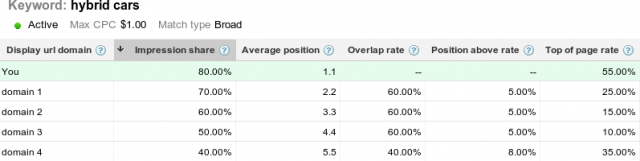
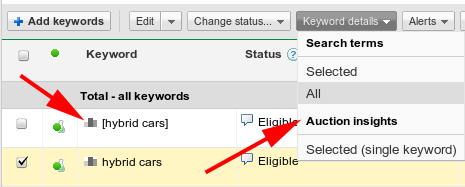
Make sure to subscribe to our video feed or subscribe directly on iTunes to be notified of these updates and download the video in the background. Here is the YouTube version of the feed:

For the original iTunes version, click here.

Search Topics of Discussion:

Please do subscribe via iTunes or on your favorite RSS reader. Don't forget to comment below with the right answer and good luck!

search engine keyword promotion search engine marketing agencies

Setting Up a Facebook Profile that Works for Your Business

Regardless whether you’re new to online marketing or not, you’d definitely want to include Facebook to your list of marketing tools. Unfortunately, not everyone knows where to begin when it comes to Facebook marketing. What they didn’t know is that it should start with a Facebook profile.

Register and Edit Your Profile

The first thing that you should do is to sign up for a Facebook account. When you’re done, the next thing that you should do is edit your profile.

It’s highly recommended to use a first-person conversational tone when writing your “bio” section. This would make your account sound more human. Being business-like makes your profile look like a dummy account that solely promotes your products or services. As for your birthday, it’s best that you hide the year of your birth for security purposes.

It is also your prerogative whether you’ll show your real relationship status or not. You can state your relationship status or you can just leave it blank. You can also set your privacy settings so that only a limited number of people can see your relationship status.

Upload a Profile Photo

In this age of social networking, a relaxed but professional-looking headshot photo is a more acceptable for business purposes. You can also edit your thumbnail to make it recognizable. Meanwhile, using group pictures of you and other people is not advisable. You wouldn’t want your key contacts guessing who’s who based on your profile photo, would you?

Another thing, make sure that you’re using your most recent picture as a profile photo. That way, it’ll be easy for you to establish trust with your potential customers.

Understand the Power of Likes and Interests

You can connect to a relevant page by filling out your Facebook profile’s Likes and Interests section. Therefore, make sure to select the Likes and Interests that are related to your business. This could help you locate your potential customers and know other businesses across your niche.

Don’t Mix Business with Personal Stuff

Mixing business matters with personal stuff is a big no-no in Facebook marketing. That way, you’re guaranteed that whatever embarrassing posts your personal account have will not ruin your business’ online marketing strategies.

Facebook is definitely an influential online marketing tool that should be included in your tool box. But using it to its full potential requires a professional, trustworthy and relevant user profile.

on page search engine optimization seo online marketing companies uk

Friday, 25 May 2012

Google Disapproved 134M Ads And Disabled More Than 800K AdWords Accounts In 2011

Like fighting spam and click fraud, finding and nixing bad ads on AdWords is a continually escalating battle. One telling stat the company revealed in a blog post today: 134 million. That’s how many ads Google axed in 2011, a 136% rise from the year before. Back in 2008, the company only disapproved 25 million ads.

The rise appears to be due to a combination of factors — first, there are just more bad ads out there.

“My interpretation is that the better we get, the faster we get at shutting them down, the more persistent they get,” David Baker, Google’s director of engineering for advertising told me.

Secondly, Google appears to be getting better at detecting them over time.

“Despite the rising numbers that you see, the bottom line is that things are working,” Baker said. “Things are improving over time.”

Google has been criticized for everything from gambling ads, to pharmaceutical ads, to ads related to human trafficking, with some saying the company is incentivized — by advertising revenue — to overlook such ads. But the company argues that many bad actors don’t pay anyway, because they use fraudulent credit cards, and, execs say, Google benefits more from a clean, trustworthy ad environment.

On the other end, advertisers complain about it taking too long to approve their ads, and a lack of transparency about problems.

“What I’m hoping is that by being a little more transparent, advertisers will understand what we’re doing and the challenges we have,” said Baker. “A good advertiser doesn’t want their ads to be seen next to bad ads.”

The good news is that Google has reduced the percentage of its ads that are bad, the company says. Though he won’t reveal exact numbers or percentages, Baker says Google reduced the percentage of bad ads showing by 50% between 2010 and 2011 — according to human benchmarking that the team does every two weeks.

Related Topics: Google: AdWords


affordable search engine placement affordable search engine ranking

Compare Your AdWords Performance With Competitors: Auction Insights

This week, Google introduced a new AdWords report named Auction Insights. The report gives you a glimp into how well you are doing for a specific keyword compared to your competitors.

The report contains the following fields:

  • Average position

    Average position is a quick way to gauge how high your ads are ranking compared with those of other advertisers competing in the same auctions. Average position is the average rank of the ad in the auctions, which determines the order of the ads on the search results page.

  • Impression share

    Impression share is the percentage of impressions you received divided by the estimated number of impressions you were eligible to receive. Eligibility is based on your current ads' targeting settings, approval statuses, bids, and Quality Scores. In the Auction insights report, impression share also tells you the impression share of other advertisers as a proportion of the auctions in which you were also competing.

  • Overlap rate

    Overlap rate tells you how often you and another advertiser received impressions at the same time for this keyword.

  • Position above rate

    Position above rate tells you how often another participant's ad was shown in a higher position that yours was in auctions in which you both received impressions.

  • Top of page rate

    This statistic tells you how often your ad (or the ad of another advertiser, depending on which row you are viewing) was shown at the top of the page, above the organic search results.

Here is a screen shot that you can enlarge:

Auction Insights click for full size

You can access it on the keyword level by clicking on the icon on the left of the keyword and then on the "activity report" option:

Auction Insights

For more details, see this help page.

Forum discussion at WebmasterWorld.

local search engine marketing local search engine optimisation